Blogs by Sangram Keshari Senapati

Friday, 23 October 2026

Unforgettable Moments in the Lap of Himachal: An Intimate Travelogue of Dharamshala and McLeod Ganj

Sangram Keshari Senapati October 23, 2026 0
Unforgettable Moments in the Lap of Himachal: An Intimate Travelogue of Dharamshala and McLeod Ganj

Unforgettable Moments in the Lap of Himachal: An Intimate Travelogue of Dharamshala and McLeod Ganj

Travel remains one of the finest ways to step away from life's everyday hustle-rekindling our enthusiasm and gifting us lasting memories. Mountains, verdant valleys, dense mists, the crisp scent of pine woodlands, and serene alpine quietude have always held a special place in my heart. Whenever an opportunity to journey into the highlands arises, the nature lover within me instantly springs to life. One such unforgettable opportunity arrived in September 2022. Nestled within the Kangra district of Himachal Pradesh, the celebrated hill station of Dharamshala and its picturesque upper settlement, McLeod Ganj, etched an experience into my memory that remains remarkably fresh and vivid to this day.

Beginning of the Journey: From Bhubaneswar to Dharamshala via Delhi

It was the first week of September. Since 2014, I have been actively involved in diverse projects across the Wikipedia and Wikimedia movement. Under an initiative supported by the Wikimedia Foundation aimed at documenting and archiving Indian language cultures, folk traditions, and local heritage in open-knowledge audio and video formats, an in-person meeting and hands-on workshop was scheduled at the Central University of Himachal Pradesh (CUHP). I was invited to participate. This was not merely an academic commitment; it was an extraordinary opportunity to witness the grandeur of the Himalayas firsthand.

I departed on an early morning flight from Biju Patnaik International Airport in Bhubaneswar, Odisha, bound for New Delhi. After an aerial journey of roughly two hours, I touched down at Indira Gandhi International Airport. From there, I boarded the Delhi Metro directly to the Inter-State Bus Terminal (ISBT) at Kashmere Gate.

Direct railway connectivity to Dharamshala is virtually non-existent; travelers must rely almost entirely on air or road routes. Although an airport is located nearby in Gaggal (Kangra), flights were unavailable for my itinerary at the time. I booked a night bus ticket through RedBus for around one thousand rupees on a private operator. Up to that point, my experience with long overnight bus travel had essentially been limited to routes like Bhubaneswar to Bhawanipatna.

This bus, however, proved to be completely different. It was a luxury multi-axle Volvo coach without sleeper berths, featuring deep semi-sleeper reclining seats and extendable calf-and-foot rests that elevated from beneath the chair. While state transport corporations like Odisha's have since deployed similarly sophisticated coaches, at the time it was my very first time traveling on one.

Traversing Delhi’s sprawling evening traffic took over an hour. Once we cleared the outskirts and settled onto the broad national highway, the coach pulled over around 11:00 PM at a roadside highway dhaba for dinner. North Indian fare like hot parathas and chole bhature has always been a personal favorite, so I happily settled on chole bhature for my late dinner. Bottled water was provided aboard. Back on the road, our bus sliced through the nocturnal darkness, cruising across the flat plains of Punjab before gradually winding up into Himachal’s twisty montane roads. Outside, the night air grew progressively colder. Lulled by the quiet rhythm of the coach and the gentle sways around the bends, I drifted off to sleep without even realizing it.

Arrival in Dharamshala and the Homestay Experience

The morning of September 2 greeted us with soft sunlight breaking over high mountain ridges, washing the landscape in warm gold. The bus dropped passengers off at a bus stop in Dharamshala. Stepping down onto the pavement, an invigorating gust of fresh mountain air washed over me, sweeping away all lingering exhaustion from the overnight transit.

At that time, online app-based cab aggregators like Ola or Uber did not operate in the town. Commuters had to rely entirely on the local taxi stand. I walked over to arrange a ride to my hotel. Rates were strictly regulated and fixed by the local taxi union at three hundred rupees, leaving no room for bargaining. The bus drop-off point sat at a higher elevation, and reaching the lodging required descending down the slope-a distance of barely 3.5 kilometers-yet the fixed rate stood firm.

The cab dropped me off at my reserved accommodation. It was not a plush, star-rated luxury hotel, but rather a warm, quiet, homestay-like property. Several familiar colleagues and friends who had arrived earlier for the workshop were already there. Reuniting with them amidst the mountains added an immediate sense of warmth to the trip.

The rooms were clean, tidy, and comfortable. Interestingly, none of the guest rooms featured air conditioning; the natural climate here is chilly enough that air conditioning is never required. Instead, rooms were equipped with 24-hour running hot water and dedicated room heaters. Given the pleasant, gently cool September weather, turning on the heater wasn't necessary.

I settled in, took a thoroughly refreshing hot-water shower, and headed down for breakfast. The kitchen served up steaming, freshly made aloo parathas paired with thick homemade curd and pickles. Savored in the mountain chill, that simple breakfast tasted magnificent. Over breakfast, I met several other workshop participants, exchanging introductions and making new friends. Since the core academic sessions were slated to commence the following day, four of us decided to head out and explore McLeod Ganj together.

High Above the Valleys: Dharamshala Skyway

To travel from Dharamshala up to McLeod Ganj, one has two choices: drive along the narrow, winding hill roads or take the aerial ropeway. We opted for the modern cable car built by the Tata Group-the Dharamshala Skyway. Back then, a one-way ticket cost four hundred rupees per person. The four of us boarded a single cabin together.

It was my very first time riding a passenger ropeway. Much like entering an elevated metro concourse, passengers walk up to an upper boarding platform. The enclosed cabins feature panoramic glass windows on all sides, providing sweeping vistas of the terrain. While boarding the cabin as it smoothly swung out onto the overhead steel cables brought a flash of excitement, my three companions felt considerably more nervous than I did, holding onto the handrails with cautious grip.

For me, as someone passionate about nature photography, the experience felt heavenly. I pulled out my camera and began framing the passing landscape. Spanning roughly 1.8 kilometers supported by 10 towering pylons-reaching heights of up to 362 meters-the ropeway covers a journey that usually takes 30 to 45 minutes by road in just 5 to 10 minutes. Gliding across the sky offered an uninterrupted panorama: deep green expanses of pine and deodar forests beneath our feet, with the snow-dusted ridges of the Dhauladhar range rising majestic in the backdrop. Fleeting drifts of clouds and mountain mist intermittently drifted past the cabin, adding an ethereal charm.

Tibetan Democracy Day at the Tsuglagkhang Complex

Stepping out at the upper terminal in McLeod Ganj, a short stroll brought us to the world-renowned Dalai Lama Temple, known locally as the Tsuglagkhang Complex.

Our timing was serendipitous. September 2 marks Tibetan Democracy Day, one of the most significant dates on the calendar for the global Tibetan diaspora. On this day in 1960, the first elected body of the Tibetan Parliament-in-Exile took its oath, establishing democratic governance in exile. As a result, the entire complex was alive with hundreds of Tibetan residents, monks, nuns, lamas, and international visitors assembled in festive harmony.

This was my very first time witnessing Tibetan Buddhist culture, monastic architecture, and traditions so intimately. In striking contrast to traditional Hindu temple architecture, the complex offered an entirely different sensory and spiritual aura. There were no booming bells or piercing conch blasts; rather, a meditative tranquility prevailed, punctuated by the rhythmic whirring of spinning prayer wheels and colorful prayer flags (lungta) fluttering in the breeze.

In honor of Democracy Day, cultural performances were staged across the courtyard by performers across generations. From young school children to older youths, participants wore vibrant traditional Tibetan chuba garments. One striking detail caught my eye: both the male and female dancers wore long hair. The young men appeared to have woven in traditional extensions, with their hair plaited into neat braids, whereas the women let their hair flow free. They played an acoustic, lute-like stringed instrument bearing a strong resemblance to a guitar or sarod. I learned that this instrument is called the dramyin-its notes are subtle, mellow, and melodic.

Historical Context: Buddhism in India and the Tsuglagkhang

India stands as the ancestral cradle of Buddhism. In the sixth century BCE, Siddhartha Gautama attained enlightenment beneath the Bodhi tree in Bodh Gaya and set the Wheel of Dhamma in motion at Sarnath. Centuries later, under the patronage of Emperor Ashoka, the faith crossed boundaries into Tibet, China, Japan, Sri Lanka, and Southeast Asia. Within the Himalayan plateau of Tibet, it flourished into the distinct Vajrayana tradition.

A pivotal turning point in modern history occurred in 1959. Following China’s military suppression of Tibet, the 14th Dalai Lama, Tenzin Gyatso, undertook an arduous escape across the high Himalayas into India alongside thousands of Tibetan refugees. India’s then Prime Minister, Jawaharlal Nehru, granted him asylum and later offered McLeod Ganj as a settlement base. Since then, the town has served as the headquarters of the Central Tibetan Administration, earning worldwide renown as "Little Lhasa."

The Tsuglagkhang temple stands directly opposite the official residence of the Dalai Lama. Inside its sanctum reside three monumental statues: Shakyamuni Buddha at the center, Guru Padmasambhava to the left, and the eleven-headed Avalokiteshvara (Chenrezig), the Bodhisattva of Compassion, to the right.

The statue of Avalokiteshvara carries a poignant history. During the Cultural Revolution in the 1960s, the historic Jokhang Temple in Lhasa was vandalized, and its revered, centuries-old Avalokiteshvara image was broken. Devoted Tibetans risked their lives to rescue fragments of the sacred face and smuggle them across the border into India. When this new statue was consecrated in McLeod Ganj, the Dalai Lama enshrined those salvaged fragments within its core. Thus, for Tibetans, the shrine serves not only as a place of worship, but also as a sacred symbol of their enduring cultural survival.

Notable Sights Across McLeod Ganj and Dharamshala

McLeod Ganj and Dharamshala offer a wealth of cultural, historical, and trekking destinations:

  • Spiritual and Cultural Landmarks: The Tsuglagkhang Complex, Namgyal Monastery, the historic St. John in the Wilderness Church, the rock-cut shrines of Masroor (frequently hailed as the Ellora of the Himalayas), the Tibetan Museum, the Norbulingka Institute (dedicated to preserving traditional Tibetan arts, woodwork, and thangka painting), Naam Art Gallery, the Tibetan Institute of Performing Arts (TIPA), and serene meditation retreats like the Vipassana Centre.
  • Scenic Landscapes and Hiking Trails: The celebrated Triund trek, the ancient Bhagsunath Shiva temple alongside Bhagsunag waterfall, Dal Lake, the bohemian village of Dharamkot, Naddi viewpoint for panoramic sunsets, Kareri Lake, Minkiani Pass, Indrahar Pass, Maharana Pratap Sagar (Pong Dam Lake), Gunna Devi temple, and the ramparts of Kangra Fort.

Exploring by Alto 800: Bhagsunag and St. John in the Wilderness

Leaving the temple complex, we headed over to the neighboring taxi stand and hired a Maruti Suzuki Alto 800. Across Dharamshala and McLeod Ganj, roughly 90 percent of local taxis belong to this model line. Its light curb weight, tight turning radius, and responsive gearing make it uniquely suited to negotiate steep gradients-often reaching 40 to 45 degrees-and extremely tight lanes. We arranged with the driver to take us to a few surrounding sights, stop for lunch, and drop us back at our hotel in Dharamshala by evening.

Our first stop was the Bhagsunag Temple and Waterfall. Reaching the falls requires walking past the temple complex. My companions preferred not to enter the inner sanctum, so we paid our respects from outside and pressed toward the trail. The path leading up to the waterfall is rough and unpaved, devoid of proper masonry stairs; visitors must navigate uneven boulders and slick stone paths. Helping each other across trickier footholds, we climbed halfway up before pulling up at a small open-air mountain stall set along the ridge.

The stall enjoyed an open vantage point looking straight out across the valley and toward the misty cascades. By now, the midday mountain air had made us ravenous. We ordered piping-hot bowls of masala Maggi. Savoring hot noodles while watching wreaths of cloud weave across mountain crevices remains an quintessentially Himalayan delight.

Afterward, we drove over to St. John in the Wilderness Church, nestled within deep deodar forests near Forsyth Ganj. Built in 1852, this historic Anglican sanctuary stands as an atmospheric example of Neo-Gothic stone architecture. Its dark-hewn masonry walls and ornate Belgian stained-glass windows give it an imposing, solemn beauty.

Remarkably, the church survived the catastrophic 1905 Kangra earthquake that leveled most structures across the valley. In its surrounding churchyard lies the memorial and stone tomb of Lord Elgin, the former Viceroy of India who passed away in Dharamshala in 1863. Towering deodars, damp pine-needles, chirping woodland birds, and century-old stone gravestones lend the grounds a timeless, contemplative stillness. We decided not to disturb any services inside, choosing instead to admire the exterior grounds, take a few photographs, and continue our circuit.

Dal Lake, a Sudden Downpour, and Common Ground Cafe

From the church, our driver headed toward McLeod Ganj’s own Dal Lake. While borrowing the name of Kashmir’s famed waterbody, this is a much smaller, quiet natural tarn framed by towering deodar and rhododendron trees, with a small Shiva shrine on its banks.

Just as we pulled up and stepped out, the mountain skies turned turbulent. Thick dark clouds swept in, and a heavy, relentless downpour broke out. Mountain rainfall arrives with little warning. Having no umbrellas on hand, we sprinted under the tin roof of a small roadside shelter by the lake shore. Cold wind and driving spray soaked through our clothes. We remained stranded there for well over an hour as temperatures plummeted. Mobile connectivity was spotty at best. Eventually, our driver came walking through the sheets of rain carrying an umbrella, guiding the four of us back to the car. His thoughtfulness felt like a genuine rescue.

With sight-seeing rendered impossible by the rain and our stomachs growling, the driver drove us through town toward Swarg Ashram Road (off Tushita Road) to drop us at Common Ground Cafe.

Run by a local Tibetan family, the cafe welcomed us with a cozy, inviting ambiance. It featured wooden furnishings, traditional Tibetan thangka prints on the walls, and soft, mellow music that provided relief from the cold rain outside. The kitchen specialized in authentic, home-style Tibetan and regional family recipes.

Looking at the menu, I found myself entirely out of my depth. Beyond ubiquitous staples like steamed momos or thukpa, authentic Tibetan preparations were new to me. Rather than guessing, I deferred to one of my fellow travelers and asked them to pick for me. What arrived was a distinct preparation of chilled, handmade noodles dressed in a lightly spiced, savory-tangy broth, garnished with freshly peeled raw peanuts.

The meal was served alongside wooden chopsticks. Having watched people use them effortlessly on television, I assumed it would be straightforward. In reality, my attempts to lift the slick noodles ended in comedy, with noodles slipping right back into the bowl. After several minutes of unsuccessful maneuvering while my companions looked on in amusement, I conceded defeat and politely asked the server for a regular fork. Using the fork, I thoroughly enjoyed the dish. Its flavors, textures, and temperatures were entirely distinct from anything I was accustomed to, yet surprisingly delightful.

By the time we stepped out, night was falling, and the rain showed no signs of stopping. Maneuvering narrow mountain switchbacks in the dark under heavy rain carries real hazards, so we agreed to head straight back down to our hotel in Dharamshala.

The Mountain Road from McLeod Ganj to Dharamshala

The descending road connecting McLeod Ganj to lower Dharamshala is as technically demanding as it is scenic. Spanning roughly 9 to 10 kilometers, the asphalt ribbon is exceedingly narrow and crowded with sharp hairpin bends. One side hugs steep, exposed rock faces while the other drops into sheer, unprotected ravines.

That evening, dense fog had settled heavily over the tarmac, reducing forward visibility to barely five meters. Runoff from the upper slopes cascaded across the road surface like shallow torrents. Sitting inside, we felt a natural sense of caution. Yet our cab driver navigated with extraordinary skill-easing through switchbacks, honking reliably ahead of every blind turn, and maintaining a steady, measured pace. The road sense and composure of Himalayan drivers under difficult conditions is genuinely admirable. By around 6:00 PM, we pulled up safely outside our hotel.

Workshop Sessions, Local Conversations, and Missed Destinations

September 3 and 4 were dedicated entirely to the workshop sessions at the Central University of Himachal Pradesh. Scholars, researchers, and students from diverse corners of India had gathered, sparking engaging conversations, technical learning, and lively exchanges of ideas around open knowledge and documentation. 

In between sessions, we spent time conversing with local students, neighborhood cafe hosts, and roadside shopkeepers. Their unhurried lifestyle, warm demeanor, and hospitality toward outsiders left an enduring impression. Mountain life carries daily physical demands and hardships, yet nearly everyone we met greeted us with sincere warmth and an easy smile. They shared stories about seasonal shifts in weather, the winter freeze, and how the snow lines across the Dhauladhar peaks have subtly receded over recent years compared to decades past.

One disappointment lingered: I could not tour the celebrated HPCA International Cricket Stadium. Positioned against the direct backdrop of the snow-capped Dhauladhar mountains, it is widely considered one of the most visually stunning sporting arenas on earth. Unfortunately, the facility was closed to the public at the time due to extensive turf renovation and infield construction work. We could only glimpse its brightly painted roofs from outside before turning back.

Due to our tight schedules, we also had to bypass long hikes like the Triund ridge trek, alongside distant landmarks like Kangra Fort, the Norbulingka Institute, Masroor Rock-Cut Temple, and Naddi viewpoint. Yet, leaving a few destinations unvisited is often a blessing in disguise-it leaves an open invitation to return.

The Return Journey: Landslides, Sunset, and Farewell

On the afternoon of September 4, the university sessions drew to a close. Some friends from Punjab had driven up in their personal car; they kindly offered to drive me down to Chandigarh so I could catch my return transit.

Leaving the mountains behind stirred a bittersweet feeling. As our vehicle wound down from Dharamshala toward the plains, the views through the passenger windows were spellbinding. Late afternoon sunlight was softening behind the ridges, painting the sky in changing shades of gold, amber, and deep crimson. Looking down into the valleys, stretches of the Beas River caught the twilight glow.

Further down the highway, we came upon the aftermath of the torrential rains from earlier in the week: a sizeable landslide had brought down boulders, earth, and broken brush, blocking the main carriageway. Fortunately, local road crews and earth-moving machinery had already been deployed; one lane had been cleared and opened to alternating traffic. We passed through the bottleneck with only a brief wait.

Once clear of the landslide zone, our driver pulled over near a scenic roadside viewpoint housing a small tea stall. Standing against the cool breeze and watching the dusk settle over the low hills, we celebrated our safe passage with one final round of hot masala Maggi and ginger tea. The simple ritual seemed to wash away all road fatigue. Truly, no trip through the Indian mountains feels complete without a hot bowl of Maggi.

Later that evening, we reached Chandigarh safely, and from there I made my way through New Delhi back home to Bhubaneswar.

A Memorable Chapter

That 2022 journey to Dharamshala and McLeod Ganj was far more than an academic workshop. It was a refreshing pause, an encounter with the high Himalayas, and a meaningful window into Tibetan culture and living history. From the aerial glide across the canopy on the ropeway and the peaceful dignity of the Dalai Lama Temple on Tibetan Democracy Day, to the quiet solitude of St. John in the Wilderness, navigating sudden cloudbursts by Dal Lake, grappling with chopsticks at the cafe, and watching the sunset with a steaming bowl of roadside noodles-each memory remains deeply cherished. The warmth, landscapes, and quiet majesty of Himachal continue to live brightly in my thoughts.

Monday, 4 May 2026

Feminism and Folklore 2026 on Odia Wikipedia: Celebrating Women's Stories and Cultural Heritage

Sangram Keshari Senapati May 04, 2026 0
Feminism and Folklore 2026 on Odia Wikipedia: Celebrating Women's Stories and Cultural Heritage

The Feminism and Folklore 2026 campaign on Odia Wikipedia concluded successfully after two months of collaborative editing and community participation. Despite facing technical challenges throughout the campaign, our small but dedicated group of contributors created an impressive 427 new articles, enriching Odia Wikipedia with knowledge related to women, folklore, and cultural heritage.

Participation and Contributions

A total of four Wikimedians actively participated in the Feminism and Folklore 2026 campaign on Odia Wikipedia. Among them, Harihar Satapathy emerged as the highest contributor with 218 articles, followed by Aliva Sahoo, who created 150 articles. Sangram Keshari Senapati contributed 58 articles, while Ashwini Banjan Murmu created 1 article. Together, these four contributors successfully created 427 articles during the two-month online edit-a-thon, making it one of the most productive editions of the campaign on Odia Wikipedia.

Technical Challenges Along the Way

This year's campaign was not without difficulties. Initially, we planned to track the articles through CampWiz, but we encountered several issues while adding and managing articles on the platform. To overcome this challenge, we created an event-page on the Fountain tool.

However, due to limited technical experience and the complexities involved in setting up and maintaining the event, we could not add all the articles to either Fountain or CampWiz. It was also difficult to identify all eligible articles and add campaign templates to them for proper tracking.

Although these technical hurdles affected the tracking process, they did not dampen the enthusiasm of the participants.

Expanding Knowledge in Odia

We are delighted that, despite these challenges, the Odia Wikipedia community created 427 articles during the campaign. Most of these articles were translated from English Wikipedia into Odia Wikipedia, helping to bridge the knowledge gap and make important topics accessible to Odia readers.

The articles covered a wide range of themes, including:

  • Gender gap related topics
  • Women and feminism
  • Folk artists and performers
  • Folklore and oral traditions
  • Mythology and cultural heritage
  • Biographies of notable women
  • Traditional customs and practices

These contributions not only enrich Odia Wikipedia but also preserve and promote stories that have often been overlooked or underrepresented.

We thank all the participants for their valuable contributions and look forward to an even more impactful campaign next year.

Together, we continue to make Odia Wikipedia more diverse, inclusive, and representative of our shared cultural heritage.

Wednesday, 22 April 2026

ସଂଗ୍ରାମ କେଶରୀ ସେନାପତିଙ୍କ ପ୍ରଥମ ଓଡ଼ିଆ ଉପନ୍ୟାସ 'ସିଗାରେଟ୍' ଉନ୍ମୋଚିତ

Sangram Keshari Senapati April 22, 2026 0
ସଂଗ୍ରାମ କେଶରୀ ସେନାପତିଙ୍କ ପ୍ରଥମ ଓଡ଼ିଆ ଉପନ୍ୟାସ 'ସିଗାରେଟ୍' ଉନ୍ମୋଚିତ

Sangram Keshari Senapati’s Debut Odia Novel “Cigarette” Launched

ଭଦ୍ରକ (୧୩ ଅପ୍ରେଲ ୨୦୨୬): ଗତକାଲି ଟାଇମ୍‌ପାସ୍ ପ୍ରକାଶନ ସଂସ୍ଥା ଦ୍ୱାରା ଭୁବନେଶ୍ୱର ବୁଦ୍ଧ ମନ୍ଦିର ଠାରେ ଆୟୋଜିତ ବହି ବିଷୁବ କାର୍ଯ୍ୟକ୍ରମରେ ସଂଗ୍ରାମ କେଶରୀ ସେନାପତିଙ୍କ ପ୍ରଥମ ଓଡ଼ିଆ ଉପନ୍ୟାସ 'ସିଗାରେଟ୍' ଉନ୍ମୋଚିତ ହୋଇଯାଇଛି । ମୁଖ୍ୟ ଅତିଥି କେନ୍ଦ୍ର ସାହିତ୍ୟ ଏକାଡେମୀ ପୁରସ୍କାରପ୍ରାପ୍ତ ଓଡ଼ିଆ କବି ଶ୍ରୀଯୁକ୍ତ ବଂଶୀଧର ଷଡ଼ଙ୍ଗୀ ଓ ପ୍ରକାଶକ ସରୋଜ ବଳଙ୍କ ଉପସ୍ଥିତିରେ ଏହି ବହିଟି ଉନ୍ମୋଚିତ ହୋଇଥିଲା ।

ଟାଇମ୍‌ପାସ୍ ଦ୍ୱାରା ଆୟୋଜିତ ପ୍ରଥମା ପ୍ରତିଯୋଗିତାରେ ସଂଗ୍ରାମଙ୍କର ଏହି ଉପନ୍ୟାସ ସହିତ ଅନ୍ୟ ୧୧ଟି ପୁସ୍ତକ ନିର୍ବାଚିତ ହୋଇ ପୂର୍ବରୁ ପ୍ରଥମା ପୁରସ୍କାର ଲାଭ କରିଥିଲା । କଲେଜ ସମୟର ଏକ ପ୍ରେମ କାହାଣୀକୁ ଉପନ୍ୟାସର ରୂପ ଦେଇଥିବା ସଂଗ୍ରାମ ଶୁଭପଲ୍ଲବ ଓଡ଼ିଆ ପତ୍ରିକା ପ୍ରତିଷ୍ଠାତା ସମ୍ପାଦକ ଭାବରେ କାର୍ଯ୍ୟ କରୁଥିବାବେଳେ ଉଇକିପିଡ଼ିଆର ଜଣେ ସକ୍ରିୟ ସମ୍ପାଦକ ଭାବରେ ୩,୬୦୦ରୁ ଅଧିକ ପ୍ରସଙ୍ଗ ଲେଖିବା ସହ ବିଭିନ୍ନ ଜାତୀୟ ତଥା ଆନ୍ତର୍ଜାତୀୟ କାର୍ଯ୍ୟକ୍ରମରେ ଯୋଗ ଦେଇଛନ୍ତି ।

ସୂଚନା ଥାଉକି, ଶୁଭପଲ୍ଲବ ପ୍ରକାଶନ ଦ୍ୱାରା ପ୍ରକାଶିତ ସଂଗ୍ରାମଙ୍କର ପ୍ରଥମ ଇଂରାଜୀ ଉପନ୍ୟାସ 'ଦି ଇଅର୍ ସି ଡିସାପିଅର୍‌ଡ୍' ଗତ ସପ୍ତାହରେ ଉନ୍ମୋଚିତ ହୋଇଥିଲା, ଯାହାକି ଉଭୟ ବହି ଓ ଇ-ବୁକ୍ ଭାବରେ ଯଥାକ୍ରମେ ଆମାଜନ୍ ଓ କିଣ୍ଡଲ୍‌ରେ ଉପଲବ୍ଧ ଅଛି । ସଂଗ୍ରାମ ତାଙ୍କର ଏହି ନୂଆ ବହି ପାଇଁ ଖୁସି ବ୍ୟକ୍ତ କରିବା ସହ ଟାଇମ୍‌ପାସ୍‌ର ନିର୍ଦ୍ଦେଶକ ସରୋଜ ବଳଙ୍କୁ ଧନ୍ୟବାଦ ଜଣାଇଛନ୍ତି ଏବଂ ନିଜ ବହିଟି ପାଠକୀୟ ଆଦୃତି ଲାଭ କରିବ ବୋଲି ଆଶା ପ୍ରକାଶ କରିଛନ୍ତି । ବହିଟି ଟାଇମ୍‌ପାସ୍ ବୁକ୍ କ୍ୟାଫେ ଓ ଆମାଜନ୍ ଇଣ୍ଡିଆରେ ଉପଲବ୍ଧ ଅଛି ।

English News:

Sangram Keshari Senapati’s Debut Odia Novel “Cigarette” Launched

Bhubaneswar, April 13, 2026: The first Odia novel “Cigarette” by Sangram Keshari Senapati was officially launched at the Buddha Temple in Bhubaneswar during the “Bahi Bisuba” literary event organized by Timepass Publication.

The book was unveiled in the presence of Sahitya Akademi award-winning poet Bansidhar Sadangi as the chief guest, along with publisher Saroj Bal.

The novel had earlier received recognition in Timepass Publication’s “Prathama” competition, where it was selected among 12 winning entries and awarded the Timepass Prathama Award. Based on a college love story, the book reflects contemporary youth emotions and relationships.

Apart from being a writer, Senapati is also the founding editor of Shubhapallaba and an active contributor to Odia Wikipedia, having authored over 3,600 articles. He has also participated in several national and international literary and Wikimedia events.

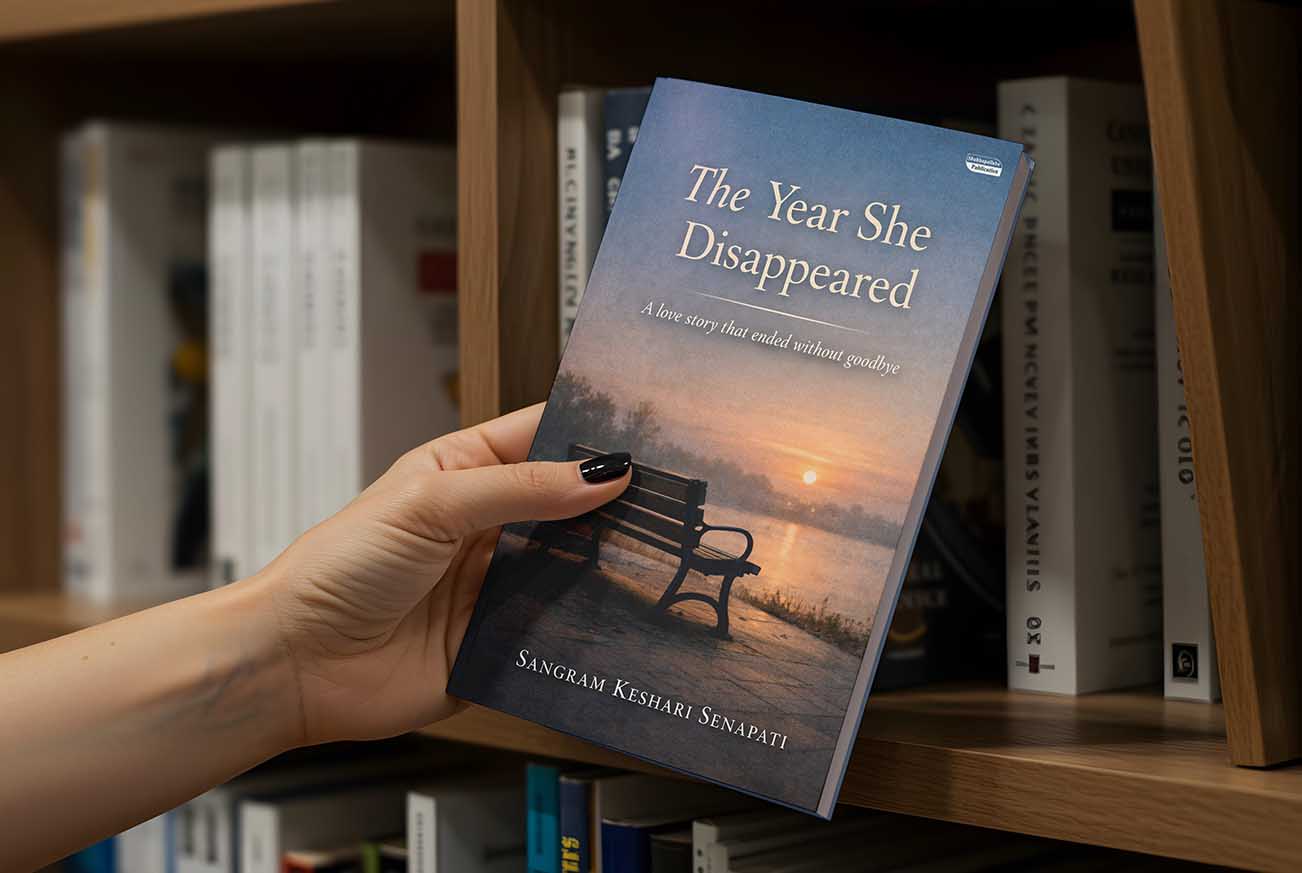
Notably, his debut English novel “The Year She Disappeared”, published by Shubhapallaba Publications, was launched last week and is available in both print and e-book formats on platforms like Amazon and Kindle.

Expressing his happiness, Senapati thanked the publisher and expressed hope that “Cigarette” would receive a positive response from readers. The book is currently available at Timepass Book Café as well as on Amazon India.

Published News:

  1. Argus English Portal: Odia Literature / Sangram Keshari Senapati’s Odia Novel ‘Cigarette’ Launched in Bhubaneswar (13 April 2026)  – Original – Archieved 
  2. Argus Odia Portal: Launches First Odia Novel / ସଂଗ୍ରାମ କେଶରୀ ସେନାପତିଙ୍କ ପ୍ରଥମ ଓଡ଼ିଆ ଉପନ୍ୟାସ 'ସିଗାରେଟ୍' ଉନ୍ମୋଚିତ (13 April 2026)  – Original – Archieved 
  3. Orissa Diary: Sangram Keshari Senapati’s Debut Odia Novel “Cigarette” Launched (14 April 2026)  – Original – Archieved 
  4. Odisha Plus: Sangram Keshari Senapati’s Debut Odia Novel “Cigarette” Launched (14 April 2026)  – Original – Archieved 
  5. ସେଇଠୁ ଆରମ୍ଭ – ଉନ୍ମୋଚିତ ହେଲା ସଂଗ୍ରାମ କେଶରୀ ସେନାପତିଙ୍କ ପ୍ରଥମ ଓଡ଼ିଆ ଉପନ୍ୟାସ ‘ସିଗାରେଟ୍’ (19 April 2026) – Original – Archived
  6. Fingerprint News (English) – Debut Odia Novel ‘Cigarette’ by Sangram Keshari Senapati Unveiled (18 April 2026) – Original – Archived
  7. ଓଡ଼ିଆ ବାର୍ତ୍ତା – ଉନ୍ମୋଚିତ ହେଲା ସଂଗ୍ରାମ କେଶରୀ ସେନାପତିଙ୍କ ପ୍ରଥମ ଓଡ଼ିଆ ଉପନ୍ୟାସ ‘ସିଗାରେଟ୍’ (17 April 2026) – Original – Archived
  8. BB News (ବିଧିର ବିଧାନ) – ଉନ୍ମୋଚିତ ହେଲା ସଂଗ୍ରାମ କେଶରୀ ସେନାପତିଙ୍କ ପ୍ରଥମ ଓଡ଼ିଆ ଉପନ୍ୟାସ ‘ସିଗାରେଟ୍’ (17 April 2026) – Original – Archived
  9. ଅପରାହ୍ନ (ଓଡ଼ିଆ ପେପର) – ଉନ୍ମୋଚିତ ହେଲା ସଂଗ୍ରାମ କେଶରୀ ସେନାପତିଙ୍କ ପ୍ରଥମ ଓଡ଼ିଆ ଉପନ୍ୟାସ ‘ସିଗାରେଟ୍’ (17 April 2026) – Link
  10. ଡୁମାଣୀ ଖବର – ଉନ୍ମୋଚିତ ହେଲା ସଂଗ୍ରାମ କେଶରୀ ସେନାପତିଙ୍କ ପ୍ରଥମ ଓଡ଼ିଆ ଉପନ୍ୟାସ ‘ସିଗାରେଟ୍’ (18 April 2026) – Original – Archived
  11. The Kalinga Chronicle – Debut Odia Novel ‘Cigarette’ by Sangram Keshari Senapati Unveiled (18 April 2026) – Link

Sunday, 15 June 2025

Movie Review: Bou Buttu Bhuta – A Bold Leap for Odia Cinema That Almost Reaches Greatness

Sangram Keshari Senapati June 15, 2025 0
Movie Review: Bou Buttu Bhuta – A Bold Leap for Odia Cinema That Almost Reaches Greatness
⭐⭐⭐⭐ (4/5)

Bou Buttu Bhuta, the much-anticipated Odia horror-thriller directed by Jagadish Das Mohanty, is a cinematic milestone that showcases the untapped potential of Odia filmmaking. Released during the vibrant Raja festival in June 2025, this film, starring Babushaan Mohanty, Aparajita Mohanty, and Archita, has sparked excitement among fans and critics alike for its ambition to elevate Odia cinema to a national stage. With its stellar cast, breathtaking visuals, and a haunting score by Gaurav Anand, it’s a film that leaves you proud yet yearning for what could have been. Here’s why Bou Buttu Bhuta earns a solid four stars, despite stumbling in its final act.

A Visual and Emotional Triumph

From the opening frames, Bou Buttu Bhuta grabs you with its polished production quality, a rarity in Odia cinema. Director Jagadish Das Mohanty’s vision is evident in every meticulously crafted shot, blending suspenseful horror with Odia cultural nuances. The cinematography is nothing short of spectacular, with eerie landscapes and atmospheric visuals that rival national-level productions. Whether it’s a shadowy village scene or a tense, dimly lit interior, the film immerses you in its world, making you feel like you’re watching a pan-Indian blockbuster. Social media buzz on X echoes this sentiment, with fans praising the “top-notch” frames and cinematography that set a new benchmark for the industry.

The background score by Gaurav Anand is the film’s heartbeat, amplifying every moment of suspense and emotion. Posts on X call Anand the “main hero” of the movie, and it’s easy to see why—his music weaves seamlessly into the narrative, elevating tense scenes and adding depth to the emotional beats. Even actors with minimal screen time shine, their performances so authentic that they leave a lasting impression. This level of craft across the board is a testament to the dedication poured into the project, making it a proud moment for Odia cinema lovers.

Stellar Performances, Led by Aparajita Mohanty

The cast is a powerhouse, with each actor delivering performances that linger long after the credits roll. Babushaan Mohanty, a beloved Odia superstar, slips effortlessly into his role, bringing charisma and depth to a character navigating the film’s mysterious twists. Archita complements him with a grounded, relatable performance that adds warmth to the story. But it’s Aparajita Mohanty who steals the show. Her portrayal is magnetic, carrying the weight of a character that could have been iconic—comparable to the legendary Udandi Sita—had the writing in the second half matched her intensity. Fans on X have hailed her as the “show stealer,” and her performance alone is worth the price of admission.

A Tale of Two Halves

The first half of Bou Buttu Bhuta is near perfection, building suspense and mystery with a gripping narrative that keeps you hooked. The teaser, released on Makar Sankranti, hinted at a blend of horror, drama, and Odia cultural storytelling, and the first half delivers on that promise. It sets high expectations, weaving a compelling story that feels fresh and ambitious for an Odia film. However, the second half falters. While the story remains engaging, the pacing slows, and some scenes feel unnecessarily drawn out, as noted by fans on X who felt the film could have been trimmed by 30 minutes for a tighter experience.

The climax, unfortunately, is where the film loses its chance to make history. Despite its thrilling setup, the resolution feels average, failing to deliver the emotional or narrative payoff that the first half promises. This is particularly disappointing because the film had the potential to break out as a pan-Indian hit, a sentiment echoed by viewers who believe it deserves a Hindi dub for wider reach. Aparajita Mohanty’s character, in particular, could have been a defining moment for Odia cinema, but the script doesn’t fully capitalize on her arc, leaving audiences wanting more.

A Proud Milestone for Odia Cinema

Despite its shortcomings, Bou Buttu Bhuta is a film that demands to be seen, especially in theaters. It’s a bold, passionate attempt to push Odia cinema into uncharted territory, and the effort is palpable in every frame. As an Odia cinema lover, you can’t help but feel proud watching a film that dares to compete with national standards. The dedication of Jagadish Das Mohanty, Gaurav Anand, and Babushaan Mohanty shines through, making this a cinematic experience that celebrates Odia culture while delivering thrills and chills.

X posts reflect this pride, with fans calling it a “pathbreaking film” and a “brave attempt” that’s “worth watching” for its craft and vision. While it misses the mark of becoming a national sensation due to its uneven second half, it offers something new and unforgettable for Odia audiences—a horror-thriller that feels like a step toward a brighter future for the industry.

Final Verdict

Bou Buttu Bhuta is a must-watch for every Odia cinema fan and anyone who appreciates bold filmmaking. It’s a film that showcases the immense talent within the Odia industry, from its stellar cast to its exceptional technical craft. While the second half and climax prevent it from reaching its full potential, the pride and passion behind it make it a theatrical experience you shouldn’t miss. Take your family, soak in the visuals and music, and celebrate a film that dares to dream big. Hats off to the team for giving us a taste of what Odia cinema can achieve.


Sunday, 30 March 2025

Celebrating Odia Literature - The 2025 Odia Wikimedians Edit-a-thon

Sangram Keshari Senapati March 30, 2025 0
Celebrating Odia Literature - The 2025 Odia Wikimedians Edit-a-thon

The Odia Wikimedians User Group is hosting an edit-a-thon based on Odia literature to create and improve articles on notable Odia literature books, personalities, organizations, awards, etc.

History

This edit-a-thon started in 2024 based on a particular theme. In 2019, the user group led by Sangram Keshari Senapati hosted a campaign named International Mother Language Day Edit-a-thon that was for 9 days, and during those 9 days, a total of 27 articles were created and 24 articles were improved by 7 participants.

Next year in 2020, the next iteration of this edit-a-thon was organized for 15 days, but unfortunately, the number of articles created was reduced by 40%. A total of 4 participants had created 12 articles and improved 18 existing articles during these days.

Since this edit-a-thon was hosted in February and the Wiki Loves Love (Feminism and Folklore edit-a-thon) campaign is being hosted during February and March, so this campaign was discontinued from the next year. But in 2022, the user group joined Wiki Loves Literature, but that discontinued from next year.

New Edit-a-thon (2024)

So, in 2024, the active members of the user group decided to host a specific edit-a-thon based on only Odia literature. The Odia people celebrate 1st April as Utkala Dibasa, aka Odisha Day (the foundation day of the Odisha state of India), and 14th April as Odia New Year (15th April on leap years), so the user group decided to host this event during these 15 days. During these 15 days, a total of 3 participants created 31 articles related to Odia literature.

2025 Edit-a-thon

The second iteration of this edit-a-thon is scheduled from 1 to 15 April this year in 2025.

Wednesday, 8 January 2025

Securing Yourself from Digital Arrest: Tips and Best Practices

Sangram Keshari Senapati January 08, 2025 0
Securing Yourself from Digital Arrest: Tips and Best Practices

The digital age has opened up a world of opportunities, but it has also introduced new risks, including the possibility of digital arrest. Digital arrest refers to the actions taken by authorities to monitor, restrict, or penalize individuals for their online activities. Protecting yourself from digital arrest requires understanding the potential threats and taking proactive measures to safeguard your online presence. Here are some essential tips and best practices to help you secure yourself from digital arrest:

1. Use Strong, Unique Passwords

One of the simplest yet most effective ways to protect your online accounts is by using strong, unique passwords for each of your accounts. Avoid using easily guessable information like birthdays or common words. Instead, opt for a combination of letters, numbers, and special characters.

2. Enable Two-Factor Authentication (2FA)

Two-factor authentication adds an extra layer of security to your accounts by requiring a second form of verification, such as a code sent to your phone, in addition to your password. This makes it much more difficult for unauthorized individuals to access your accounts.

3. Be Cautious with Personal Information

Be mindful of the personal information you share online. Avoid oversharing on social media and be cautious about providing sensitive information on unfamiliar websites. Consider using pseudonyms or aliases when necessary.

4. Utilize Virtual Private Networks (VPNs)

A VPN encrypts your internet connection, making it more difficult for anyone to monitor your online activities. This is particularly important when using public Wi-Fi networks, which are often less secure.

5. Keep Software and Devices Updated

Regularly updating your software and devices ensures that you have the latest security patches and features. This helps protect against vulnerabilities that could be exploited by malicious actors.

6. Be Aware of Phishing Scams

Phishing scams are attempts to trick you into providing personal information through deceptive emails or websites. Be vigilant and skeptical of unsolicited messages, and verify the authenticity of any requests for sensitive information.

7. Use Encrypted Communication Tools

For sensitive communications, consider using encrypted messaging apps and email services. Encryption helps protect the content of your messages from being intercepted and read by unauthorized parties.

8. Educate Yourself on Digital Laws and Regulations

Stay informed about the digital laws and regulations in your country. Understanding your rights and responsibilities can help you navigate the digital landscape more safely and avoid inadvertently violating any laws.

9. Regularly Review Privacy Settings

Periodically review and adjust the privacy settings on your social media accounts and other online services. This helps you control who can see your information and what data is being shared.

10. Back Up Your Data

Regularly backing up your data ensures that you have copies of important information in case of a security breach or device failure. Store backups in a secure location and consider using both physical and cloud-based storage solutions.

By following these best practices, you can significantly reduce the risk of digital arrest and protect your online presence. Remember, staying informed and proactive is key to maintaining your digital security in an ever-evolving digital landscape. Stay safe, stay secure, and stay informed! 

Thursday, 5 December 2024

Sangram Keshari Senapati's Contribution to Wikimedia Movement in 2023-24

Sangram Keshari Senapati December 05, 2024 0
Sangram Keshari Senapati's Contribution to Wikimedia Movement in 2023-24

Sangram Keshari Senapati's Contribution to Wikimedia Movement in 2023-24

I have been writing on Odia Wikipedia since 2014, and since 2017, I have been writing for #100wikidays. In February 2024, I completed this 25th time. During that time, I had published a blog on Diff about my journey. 

Link: https://diff.wikimedia.org/2024/02/25/marking-the-25th-round-of-my-100wikidays-writing-adventure-on-odia-wikipedia/


I write blogs on Diff and other platforms to highlight the contributions of fellow volunteers. I record podcasts with the volunteers from Odia and other community members regarding their work and other things. Here are a few links.


I have written a few articles in local (Odia language) newspapers regarding the Wikimedia movement. Apart from this, in collaboration with the PR team from WMF, I wrote and translated a few articles to get published. A few articles in the local newspapers were published through my contacts.


Apart from Wikipedia, I contribute to Odia Wikisource, Wikidata, and Wikimedia Commons. With more than 400K edits on Wikidata, I focus more on updating labels in Odia language and creating items about the Odia language film industry and actors. I usually collect signatures, photographs, and videos of notable personalities from different events I attend and upload those to the Commons. Most of them are being used by various media and publication houses.


I have been organizing different online edit-a-thons in collaboration with the global team and local edit-a-thons, limited to Odia Wikipedia only. A few highlights from the year 2023-present, are mentioned below:


  1. I have organized 11 edit-a-thons including a few local edit-a-thons only on Odia Wikipedia. The first edit-a-thon, “Feminism and Folklore 2023”, was a global edit-a-thon that started on 1 February 2023 and ended on 15th April 2023. Apart from organizing, I have participated as a volunteer and contributed a few articles along with the jury job. I have been organizing this edit-a-thon continuously since 2020.

Link: https://or.wikipedia.org/s/1pcm


  1. Apart from organizing the “Feminism and Folklore 2023” edit-a-thon, I organized a half-day-long workshop for the new volunteers by the sport of the edit-a-thon team. Seven volunteers joined this mini-workshop, and a few of them are contributing to Wikipedia and Wikimedia Commons.

Link: https://or.wikipedia.org/s/1qe2


  1. In April 2023, I attended the Wiki Conference India for the first time, and there I presented a presentation on “Wiki Loves Literature” with one of the Punjabi Wiki User Group members.

Link: https://commons.wikimedia.org/wiki/File:Wiki_Loves_Literature.pdf


  1. After Wiki Conference Indian, we had planned for a community call every month. I led this initiative and started the community call in July 2023, where the community members join the call on the last Sunday of the month and discuss the new problems and achievements together.

Link: https://or.wikipedia.org/s/1rk4


  1. The 2nd edit-a-thon was “Ratha Jatra Edit-a-thon," which was revived after 2016. This edit-a-thon was organized on both Odia Wikipedia and Wikimedia Commons in June 2023. On Odia Wikipedia, a few articles were created, but a number of new volunteers joined the movement and uploaded media files like photos and videos of Ratha Jatra from various places, including India and outer places like Cooksville, Maryland and Johannesburg, etc.

Link: on Odia Wiki: https://or.wikipedia.org/s/1qyp

Link: on Commons: https://commons.wikimedia.org/wiki/Commons:Wiki_Loves_Ratha_Jatra_2023

Blog on Diff: https://diff.wikimedia.org/2023/07/20/odia-wikimedians-user-group-restored-the-wiki-loves-ratha-jatra-edit-a-thon-and-photo-a-thon-after-7-years/


  1. In August 2023, I organized an edit-a-thon named “Indian Independence Day edit-a-thon 2023." This edit-a-thon was also organized after 5 years after 2018, which was also an initiative by me back then.

Link: https://or.wikipedia.org/s/1rqx

Blog on Diff: https://diff.wikimedia.org/2023/09/05/a-three-day-edit-a-thon-to-remember-the-sacrifices-of-indian-freedom-fighters/


  1. Odia is the second largest language contributed to by Lingua Libre, with 131,377 recordings. I had a contribution of over 59K recordings. In July 2023, I had recorded more than 56K words. During this process, I recorded all the articles available on Odia Wikipedia and other major information along with words in Odia.

Link: https://lingualibre.org/wiki/Special:Contributions/Ssgapu22


  1. In September 2023, I organized another edit-a-thon named “Param Vir Chakra Edit-a-thon,” and with this edit-a-thon, I worked with other Indic Wikimedia communities like Angika, Assamese, Kashmiri, Santali, Malayalam, Punjabi, and Telugu. The aim was to create/translate articles about the Param Vir Chakra recipients of India. And we successfully achieved our goal before the target period.

Link: https://meta.wikimedia.org/wiki/Param_Vir_Chakra_Edit-a-thon


  1. In October 2023, I organized “Mahatma Gandhi edit-a-thon 2023” only on Odia Wikipedia, which was initially organized by CIS-A2K in 2020 and 2021 during the COVID-19 pandemic period. This was a 3-day long small edit-a-thon, but during this short period, only 3 members, including me, created 26 articles related to Mahatma Gandhi.

Link: https://or.wikipedia.org/s/1sng


  1. We, the Odia Wikimedians User Group, organized an offline meeting at Bhubaneswar on 29 October 2023 to celebrate the 11th birthday of Wikidata. I coordinated with the newspaper and web portals to publish the news.

Link: https://or.wikipedia.org/s/1t1e


  1. In November 2023, I participated in "Wikipedia Asian Month 2022" as an organizer and writer. Since 2018, I have been organizing this yearly edit-a-thon on my home wikipedia.

Link: https://or.wikipedia.org/s/1t1j


  1. In 2023-24, I was a part of “Indic Oral Culture 2023-24.” Initially, I was a part of their previous project and joined the workshop at the Central University of Dharamshala in Himachal Pradesh, India, as a trainer in 2022. I recorded audio and videos of Odia folk songs. Apart from recording the content for more than one hour, I transcribed the files in Odia and translated them into English.

Link:https://meta.wikimedia.org/wiki/Indic_Oral_Culture_2023-24


  1. In November 2023, I participated in "Wikipedia Asian Month 2023" as an organizer and writer. During this edit-a-thon, I created 20 articles. Since 2018, I have been organizing this yearly edit-a-thon on my home Wikipedia.

Link: https://or.wikipedia.org/s/1ot5 


  1. 2024 begins with a big collaboration with the Government. of Odisha. The government officials invited the Odia Wikimedians User Group to participate in the “World Odia Language Conference 2024." There, we got a stall to present about Wikipedia and showcase our work to the public for 6 days. I was a part of the members, and we conducted a survey regarding Wikipedia among visitors, where some administrative officers and eminent personalities from various fields like entertainment, literature, business, etc. filled out that form. Apart from that, we had developed a timeline to showcase at the Future of Dome at the Odia Language Conference.

Link: https://www.facebook.com/EIT.Odisha/posts/pfbid0dKe5W8kBeYNL8hAWvvEg8pZ8SfCtbjRT55E9GtrBp9uiChWpyxXhJ8qhJEDEfEvyl

https://shubhapallaba.in/timeline/


  1. In June 2024, after the Indian General Election results, I organized an edit-a-thon on Odia Wikipedia to update the election results on both Wikipedia and Wikidata. During this 30-day-long campaign, we created 93 articles as well as updated 269 articles on Odia Wikipedia and updated more than 500 Wikidata items.

Link:https://or.wikipedia.org/s/1v3j


  1. In July 2024, I organized “Ratha Jatra Edit-a-thon 2024," after 2023 on both Odia Wikipedia and Wikimedia Common. On Odia Wikipedia, a few articles were created, but like the previous year, a number of new volunteers joined the movement to upload photos and videos of Ratha Jatra from various places.

Link: on Odia Wiki: https://or.wikipedia.org/s/1vuy

Link: on Commons: https://commons.wikimedia.org/wiki/Commons:Wiki_Loves_Ratha_Jatra_2024


  1. In October 2024, the CIS-A2K team collaborated with Odia Wiki UG to organize TTT 2024 at Bhubaneswar, Odisha. I was one of the members of the organizing team, where I worked on the ground and logistics. Apart from this, I presented my journey on #100wikidays and other works to inspire the participants. Link: https://youtu.be/0JugMDkTDTk


  1. In October 2024, I had participated and worked as a co-organizer for the Wikidata Twelfth Birthday data-a-thon on Wikidata. Our UG led the last weeks’ task (Music albums). In this campaign, I had uploaded all the basic details of Odisha Adarsh Vidyalaya (a Model English Medium school in Odisha, India by the Govt.) and some music albums, especially used in movies.


  1. In November 2024, I participated in "Wikipedia Asian Month 2024" as an organizer and writer.

Link: https://or.wikipedia.org/s/1wmm


  1. In November 2024, I was one of the co-organizers for the “Wiki Loves Language.” This project is going on.

            Link: https://or.wikipedia.org/s/1wq9